
.svg)
.svg)

SECURITY

Anita Jordan
24 Aug 2026
From the death of keyword dependence to the rise of PR in SEO, BrightonSEO experts revealed the technicalities, research, data, and assumptions behind GEO (AEO)’s current rise. What is going on with the SERPs? Have we all lost control of LLMs and how users find us? Can we actually track queries? Evara’s Anita Jordam gives the answers to these questions, and a lot more, in Evara’s Fintech-focused recap of BrightonSEO.
BrightonSEO 2026 confirmed what Evara is already seeing across fintech and financial services: AI search is changing how prospects discover, compare and evaluate providers.
This does not mean SEO is dead. It means the buying journey is becoming more fragmented, less visible and more influenced by third-party signals.
A prospective customer may now ask ChatGPT for provider recommendations, compare options in Google, check reviews, scan LinkedIn, visit a comparison site, return through branded search and only then submit an enquiry.
By the time that lead reaches your CRM, AI may already have influenced:
For fintech and financial services owners, founders and directors, this is not just a marketing trend. It affects acquisition cost, lead quality, brand trust and revenue growth.
That is why GEO, or Generative Engine Optimisation, needs to be treated as part of a commercial strategy and not just as another SEO tactic.
A user searched a query, clicked a result, visited a website and converted later. That journey still exists, but it is no longer the only journey that matters.
A user can now ask an AI tool to explain options, compare providers, summarise reviews, shortlist vendors or recommend a solution. In those moments, your brand may be included, ignored, misrepresented or compared unfavourably before the user reaches your website.
You may still rank on Google, but AI tools may not fully understand your product. This means that even if your website copy is strong, if third-party sources describe you inconsistently, your brand image will be affected. With it, your LLM mentions.
This is how many in the field are beginning to see fewer organic sessions, yet still influence more branded searches and later-stage enquiries. Once you appear in AI answers, the journey just begins, and it’s outside of your direct control. If you’re mentioned in a way that does not build trust, your prospective client or customer will look elsewhere.
This is why AI search measurement cannot stop at visibility. The real question is whether your brand is being discovered, understood and trusted in the moments that shape demand.
There is hardly any business owner out there who does not feel like their SEO team is dropping the ball. We’ve had many clients come to us with questions regarding lower organic traffic, fewer impressions in the SERPs and a lack of leads generated from LLM traffic. There are seven main challenges in the field, and overcoming them will make your presence stronger and improve the quality of your leads.
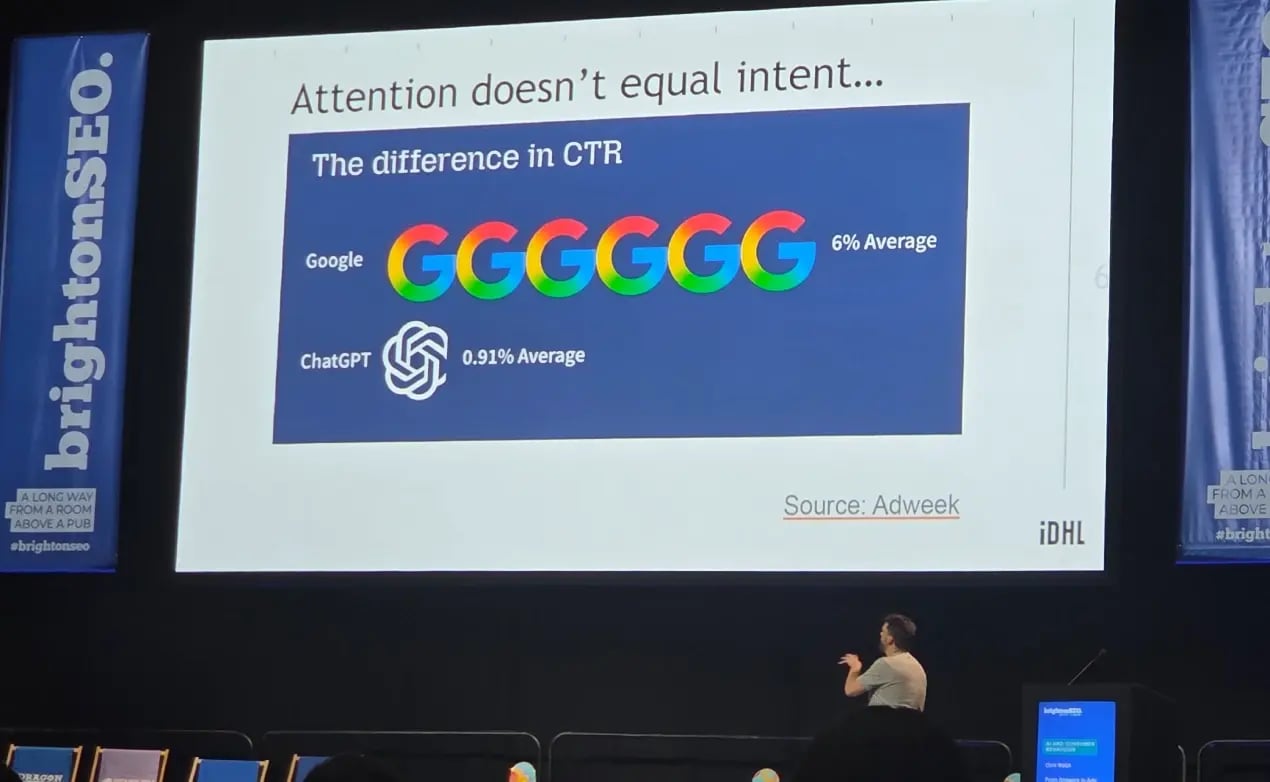
As we noted above, AI search visibility is not only about whether your brand appears in an answer, but also about how your brand is described. A financial services provider can appear in an AI answer and still lose commercial value if the description is vague, incomplete, or inaccurate. AI systems may misunderstand:
For sectors such as lending, wealth management, payments, insurance, mortgage services, investment platforms and regtech, this matters. A weak or inaccurate answer can reduce trust before your sales team has a chance to correct it.
A growth-focused question you need to ask yourself is not just “do we appear?”, but “are we being described in a way that helps the right prospects trust us?”
Many financial services businesses depend heavily on paid search for lead generation. That can work, but it creates risk when competition rises, and conversion rates do not improve.
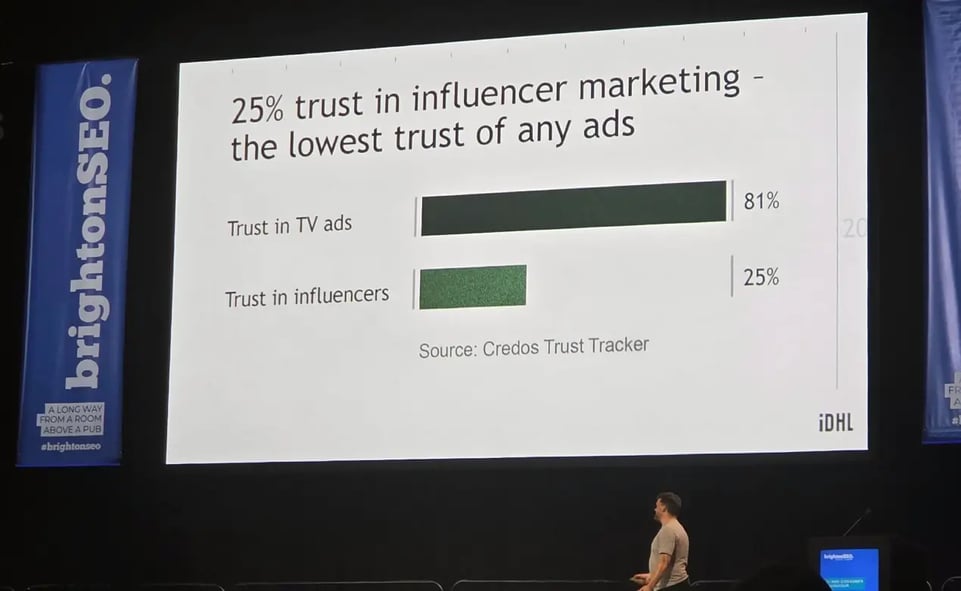
AI Overviews, zero-click results and changing search behaviour can reduce the volume of users clicking through from informational searches. At the same time, more competition may concentrate on high-intent commercial terms.
For high-value products such as business loans, bridging finance, investment advice, mortgage support, payment infrastructure, insurance and financial software, those clicks can become expensive quickly.
The answer is not to stop paid search. It is to reduce over-reliance on it. SEO and GEO can help build the assets that support long-term acquisition. Such key assets could be: product pages, eligibility guides, comparison content, review visibility, trust pages, expert-led content, AI-answer presence, and third-party proof.
This is where Evara’s sector experience becomes valuable. We do not treat SEO as a traffic channel in isolation. We connect it to acquisition cost, lead quality, and product-level commercial performance.
A traffic drop is not always a business loss, just like a traffic increase is not always a business win. For owners and directors, the more important question is whether search visibility is creating commercially useful demand. From qualified enquiries to booked calls and funded deals, AEO directly affects your business and revenue.
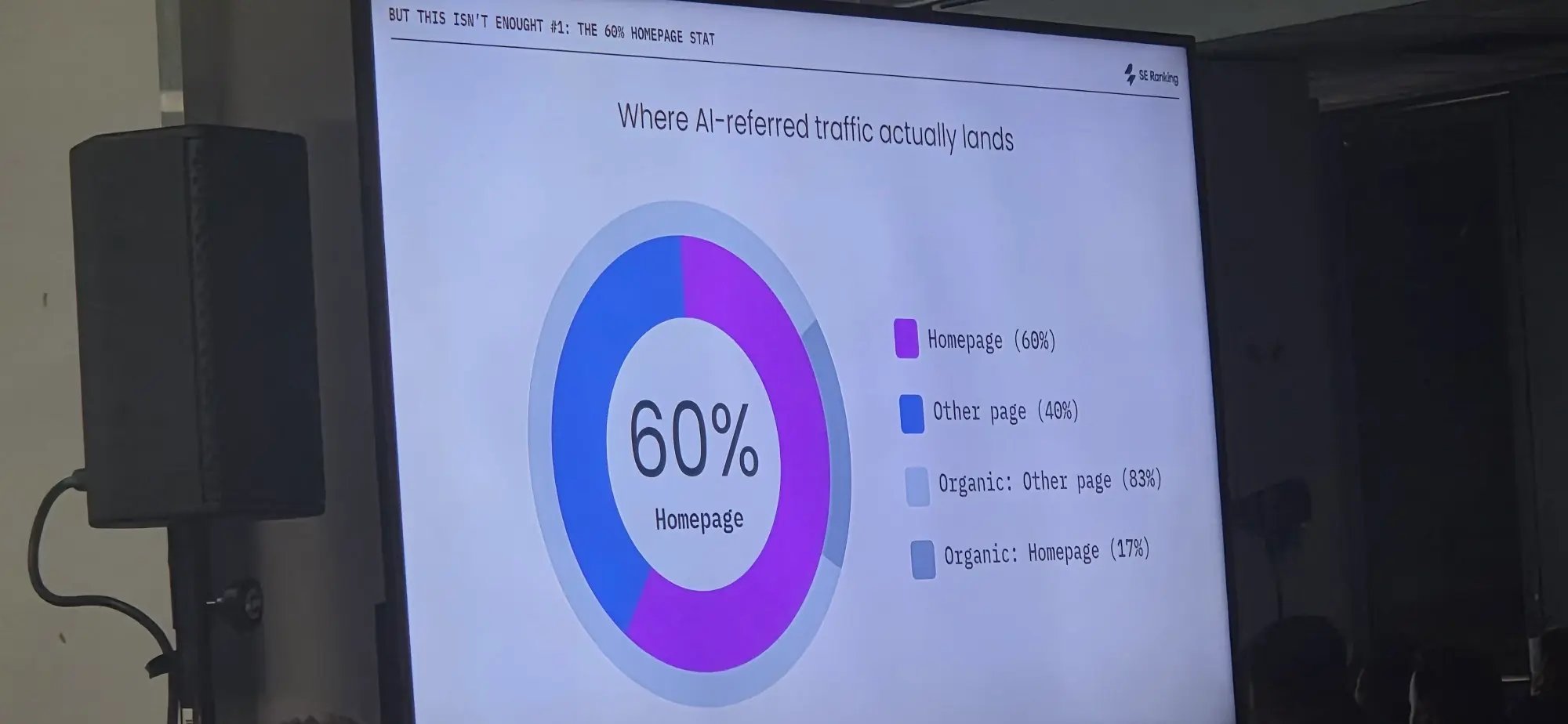
Influence may not appear as direct AI referral traffic, because a prospect may see your brand in an AI answer, search your name later, visit directly or convert through another channel. If reporting only looks for direct referrals from ChatGPT, Gemini or Perplexity, much of AI’s influence may be missed.
Evara’s approach is to connect SEO and GEO visibility with commercial signals, including branded search, product-level performance, qualified enquiries, CRM outcomes and pipeline. The goal is not more reporting for the sake of it. The goal is to give leadership a clearer view of whether search activity is supporting growth.
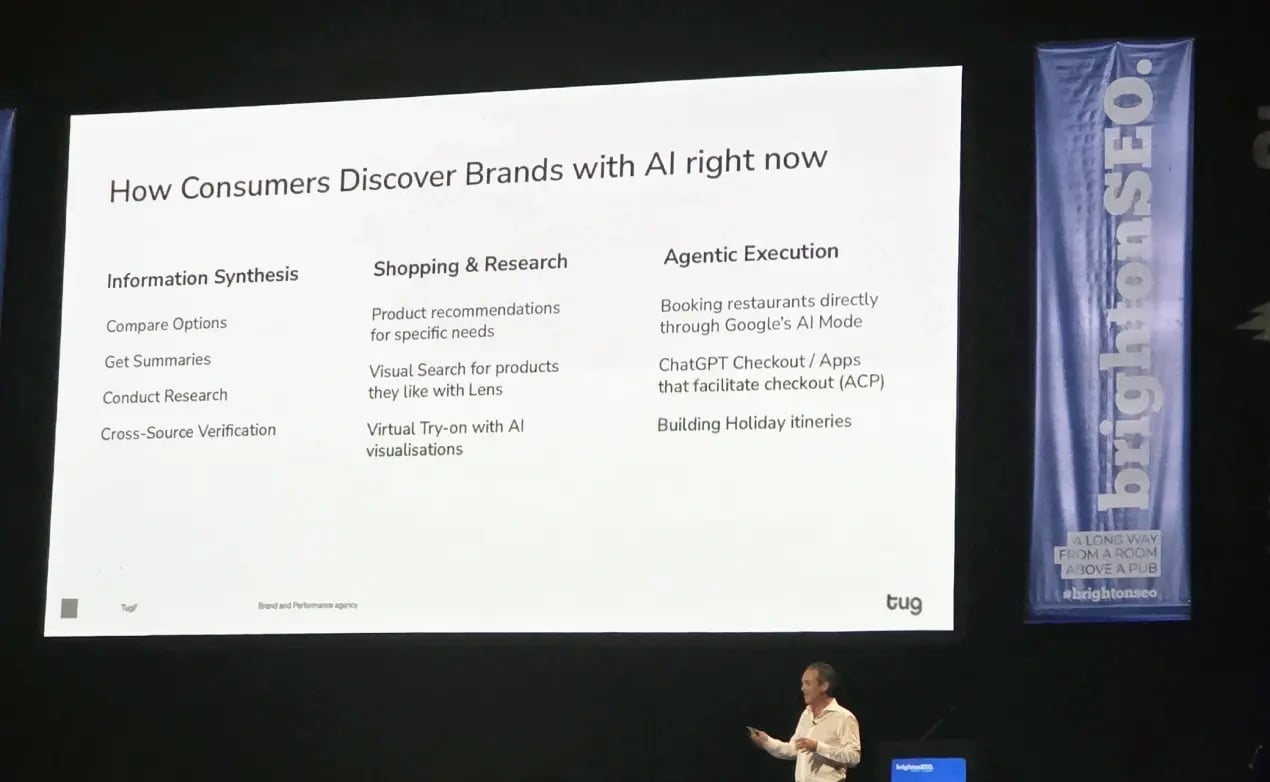
AI search may sound new, but technical SEO still protects visibility and revenue. If search engines or AI systems cannot access your most valuable pages, retrieve the content or understand the structure, your brand may be harder to surface in both traditional and AI-led results.
For financial services websites, this is key, because the most valuable pages are often the most complex. These can include:
During a migration, redesign or CMS change, these pages need to be protected. Losing visibility on one high-value product page can quickly affect lead flow.
An AI-ready website should be easy for users to navigate and easy for machines to understand. That means clear HTML source content, structured data, semantic headings, accessible forms, internal links, log-file access, and user-agent monitoring.
For Evara, this is already part of how financial services migrations and technical SEO audits are handled. GEO does not replace technical SEO. It raises the cost of getting technical SEO wrong.
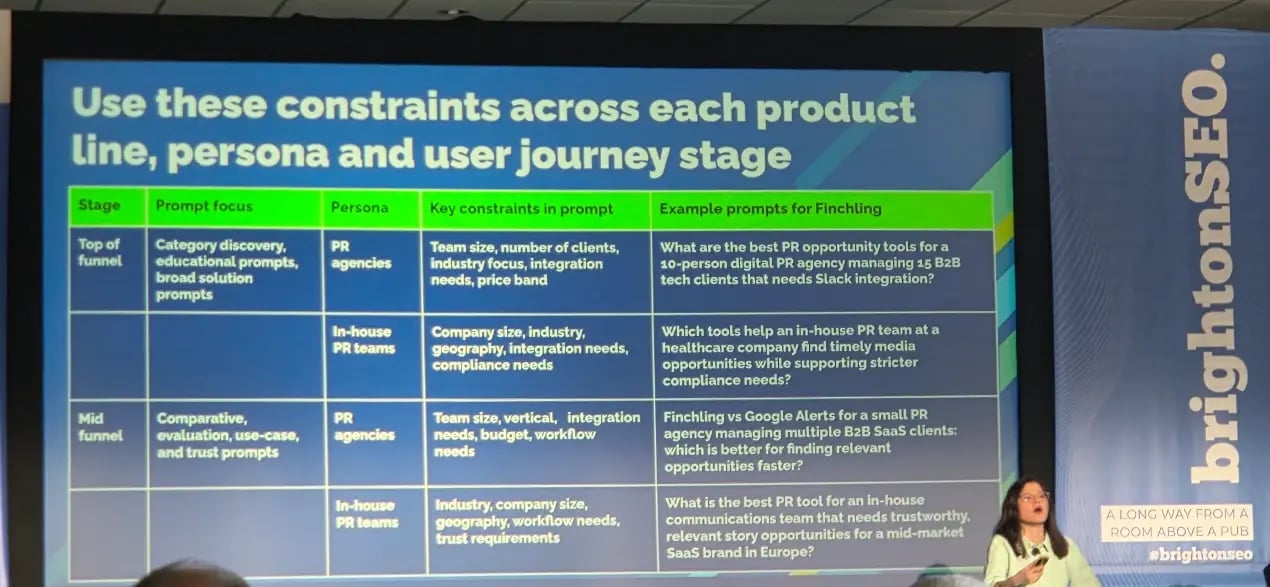
Gone are the days when you had full control over what the internet knew about your brand. AI tools do not only learn from your website; they may also use review platforms, comparison sites, media coverage, directories, social profiles, forums, business listings, and other third-party sources to understand your brand.
This creates a new challenge for financial services businesses. If your website says one thing, your review profiles say another, and your comparison listings are outdated, AI systems may build an incomplete or unfavourable picture of your offer.
This is why SEO, GEO and PR need to work together. A traditional SEO campaign may focus mostly on the website. A financial services GEO strategy needs to build a wider evidence base that helps both users and AI systems understand why a brand is credible.
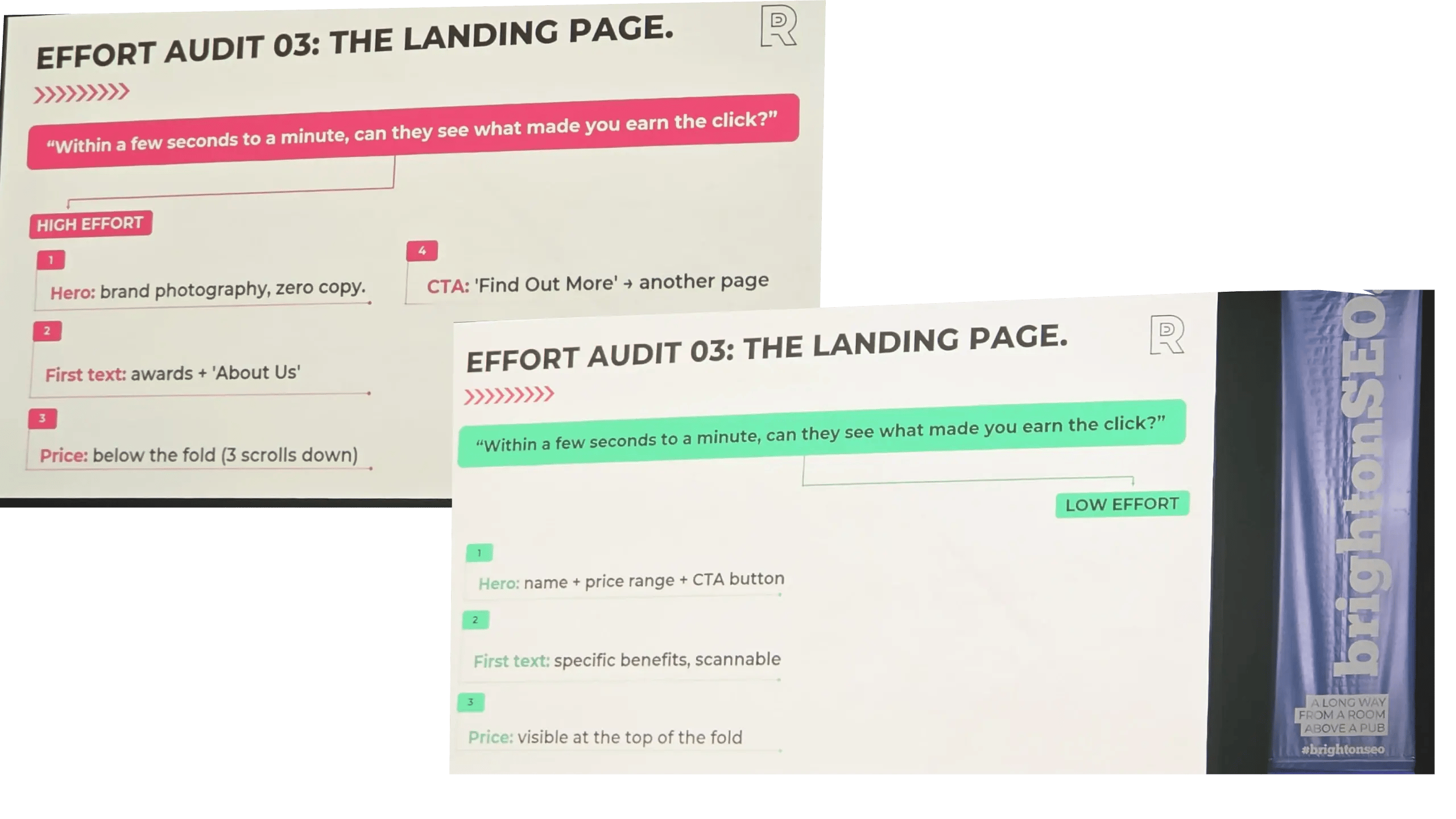
Your users have a lower tolerance for wasted effort. This is especially important in financial services, because prospects often need to understand risk, fees, eligibility, documentation, suitability and next steps before they feel confident enough to enquire.
If the page does not answer those questions clearly, users hesitate and ultimately exit without becoming an SQL.
Common friction points include:
This affects both paid and organic performance. If you are paying for high-intent traffic but sending users to a landing page that does not answer the next question, the real cost is not only CPC. It is wasted intent.
Reducing friction can improve lead quality, conversion rate and trust. In AI search, clear and well-structured content can also make pages easier for machines to parse, cite and summarise.
At Evara, this is where SEO, GEO and conversion thinking meet. A page should not only rank, but also make the next step easier to understand.
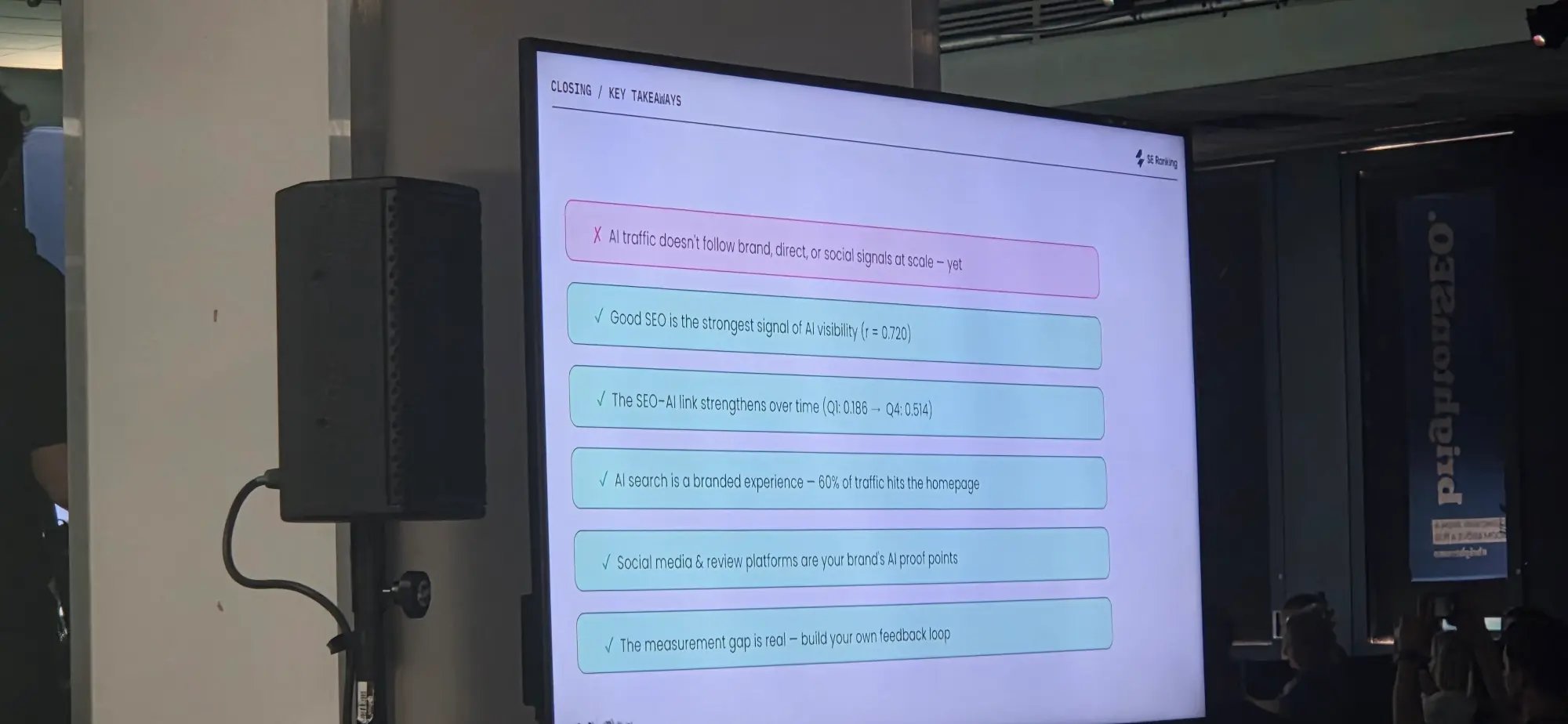
AI can support content production, reporting, technical checks and workflow automation. But it can also scale weak assumptions.
For enterprises in the financial field, weak content can prove to be a serious risk. A platform that can work with workflows, such as Hubspot, for example, can help produce more helpful content with relevant product knowledge, compliance context, customer insight, and commercial purpose.
AI workflows need to be grounded in real audience data, including:
This helps identify what users are really worried about, what they misunderstand and what proof they need before taking action. While a generic AI workflow may produce more content, a sector-informed workflow can help produce clearer product pages, better FAQs, stronger trust signals and more useful sales journeys.
At Evara, AI does not replace financial services expertise. It helps scale better research, structure and optimisation when the right sector context is already in place.
Fintech and financial services SEO is not generic SEO with finance keywords added.
It requires understanding how buyers evaluate risk, credibility, suitability, value and trust across complex products and long sales journeys.
If you’re working with a specialist partner, they should understand how search behaviour differs across connected financial services sectors, including lending, banking, payments, wealth management, insurance, regtech, compliance technology, financial SaaS and B2B finance.
The real value of quality SEO and GEO is not in getting you traffic, but in:
BrightonSEO 2026 reinforced that GEO is not a separate trend. It is part of how modern financial services businesses are discovered, evaluated and trusted. The brands that win in AI-led discovery will not be the ones chasing every new tactic; instead, they will be the ones that make their offer easier to find, easier to understand and easier to trust.
BrightonSEO 2026 confirmed the direction Evara is already taking with clients: AI search rewards clarity, credibility, technical accessibility, and consistent proof. For fintech and financial services businesses, the priority is to build a search presence that supports the full commercial journey.
That means making priority product pages technically accessible, measuring search performance against qualified leads and revenue, strengthening third-party proof, reducing friction across landing pages and forms, monitoring how AI systems describe the brand, building content around customer problems (not only product keywords), and connecting SEO, GEO, PR, paid media and CRM data.
Winning in this game of digital chess is not about chasing every new AI search tactic, but about building a stronger, more resilient discoverability strategy for the way buyers now research financial services and providers.
Get all the insights our experts gained from BrightonSEO. Download the full Key Takeaways for Fintech Brands list and see our recommendations for your B2B or B2C enterprise.
Inside, you’ll find speaker-by-speaker takeaways and Evara recommendations covering:
Download the full 2026 BrightonSEO insights to see what your financial services business should prioritise next, and why working with a sector-specialist SEO and GEO partner matters.
[Download Coming Soon]
Related Thinking
SECURITY
Anita Jordan
FINTECH MARKETING

Julie Nicoli
.png)
PRESS RELEASE

Fran Sánchez